

Can foam knee pads be used for bowling?
Jun 21, 2026
Can foam knee pads be used for bowling? This is a question that often pops up among bowlers, whether they're beginners or seasoned pros. As a foam knee pad supplier, I've had numerous customers inquire about the suitability of these pads for the sport of bowling. In this blog, we'll delve into the properties of foam knee pads, their benefits and limitations when used in bowling, and compare them with other types of knee protection.
The Nature of Foam Knee Pads
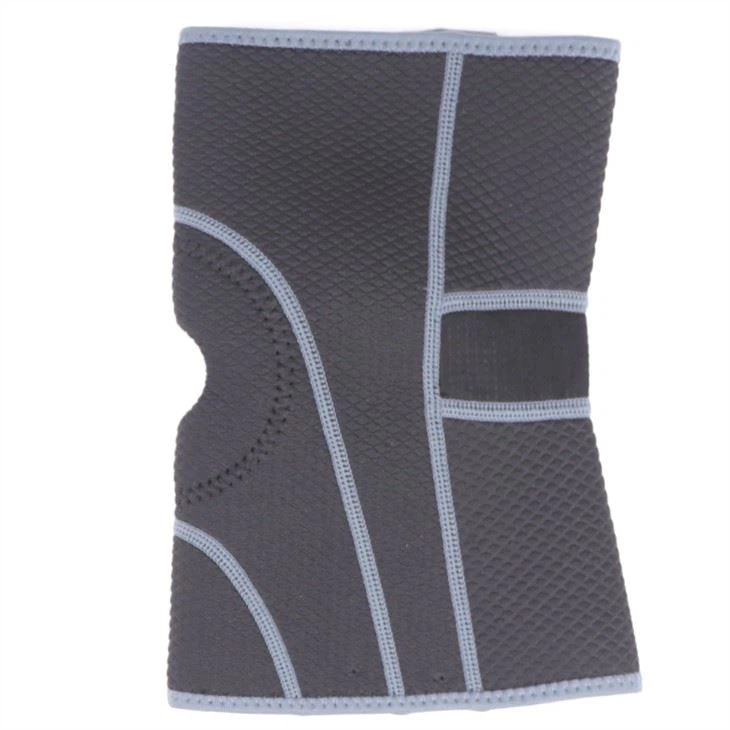
Foam knee pads are crafted from various types of foam materials, such as polyurethane foam or EVA (ethylene-vinyl acetate) foam. These foams are known for their softness, flexibility, and shock - absorbing capabilities. Soft foam conforms to the shape of the knee, providing a comfortable fit and distributing pressure evenly across the knee joint.
When it comes to bowling, the act of approaching the lane and delivering the ball often involves a sliding motion on one knee. This sliding can put significant stress on the knee, especially if the bowling alley surface is hard. Foam knee pads can act as a buffer between the knee and the floor, reducing the impact and preventing potential injuries.
Benefits of Using Foam Knee Pads in Bowling
-
Shock Absorption: As mentioned earlier, the main advantage of foam knee pads is their ability to absorb shock. When a bowler slides on their knee, the foam compresses, dissipating the force generated during the slide. This helps to protect the knee from the high - impact forces that could lead to bruises, abrasions, or more serious knee injuries over time.
-
Comfort: Foam is a soft and pliable material. It molds to the shape of the knee, providing a snug and comfortable fit. This comfort is crucial during long bowling sessions, as it allows the bowler to focus on their game without being distracted by discomfort or pain in the knee.

-
Lightweight: Foam knee pads are generally lightweight, which means they won't add much extra weight to the bowler's leg. This is important because excessive weight can affect a bowler's balance and movement during the approach and delivery.
-
Affordability: Compared to some other types of knee pads, foam knee pads are relatively inexpensive. This makes them an accessible option for bowlers of all levels, especially those on a budget.
Limitations of Foam Knee Pads in Bowling
- Durability: Foam can wear out over time, especially with frequent use. The constant friction from sliding on the bowling lane can cause the foam to degrade, reducing its shock - absorbing capabilities. Bowlers who bowl regularly may find themselves having to replace their foam knee pads more often than other types of knee protection.
- Lack of Rigidity: While the flexibility of foam is an advantage in terms of comfort, it can also be a drawback. Foam knee pads may not provide as much lateral support as some other types of knee pads. This can be a concern for bowlers who have pre - existing knee conditions or those who need extra support during the slide.
Comparison with Other Knee Protection Options
- Woven Knee Pad: Woven Knee Pad offers a different set of features compared to foam knee pads. Woven knee pads are often made from a combination of fabrics and may have additional layers of padding. They tend to be more durable than foam knee pads and can provide better lateral support. However, they may be less comfortable for some users, especially if they are not properly adjusted.
- Open Knee Pad: Open Knee Pad is designed to expose the kneecap while still providing support to the surrounding area. These pads are popular among bowlers who want to maintain a certain level of mobility in their knee joint. They can offer good shock absorption and support, but the open design may not be suitable for all bowlers, especially those who need more comprehensive knee protection.
- Leg Support Brace: Leg Support Brace is a more heavy - duty option for knee protection. It provides a high level of support and stability, which can be beneficial for bowlers with knee injuries or those who require extra support during the slide. However, leg support braces are often bulkier and more expensive than foam knee pads.
Making the Right Choice
The decision of whether to use foam knee pads for bowling depends on several factors. Bowlers who are new to the sport or have a limited budget may find foam knee pads to be a suitable option. They offer a good balance of comfort and shock absorption at an affordable price.
On the other hand, bowlers with pre - existing knee conditions or those who bowl frequently may want to consider more heavy - duty knee protection options, such as woven knee pads or leg support braces. These options can provide better support and durability, but they come at a higher cost.
Conclusion
In conclusion, foam knee pads can be used for bowling, and they offer several benefits such as shock absorption, comfort, and affordability. However, they also have some limitations in terms of durability and lateral support. As a foam knee pad supplier, I understand the importance of providing high - quality products that meet the needs of bowlers. Whether you're a casual bowler or a professional, choosing the right knee protection is crucial for your comfort and safety on the bowling lane.
If you're interested in learning more about our foam knee pads or other knee protection products, we'd be more than happy to discuss your requirements. Contact us to start a conversation about how we can help you find the perfect knee protection for your bowling needs.
References
- "The Science of Knee Protection in Sports", Sports Medicine Journal, Vol. 15, Issue 2
- "Bowling Techniques and Injury Prevention", Bowling Magazine, May 2023