

Can foam knee pads be used for construction work?
May 16, 2025
Can foam knee pads be used for construction work? This is a question that many construction workers and contractors often ask. As a foam knee pad supplier, I have had the opportunity to see firsthand the benefits and limitations of using foam knee pads in construction settings. In this blog post, I will explore the suitability of foam knee pads for construction work, discuss their advantages and disadvantages, and provide some insights on choosing the right knee pads for your specific needs.
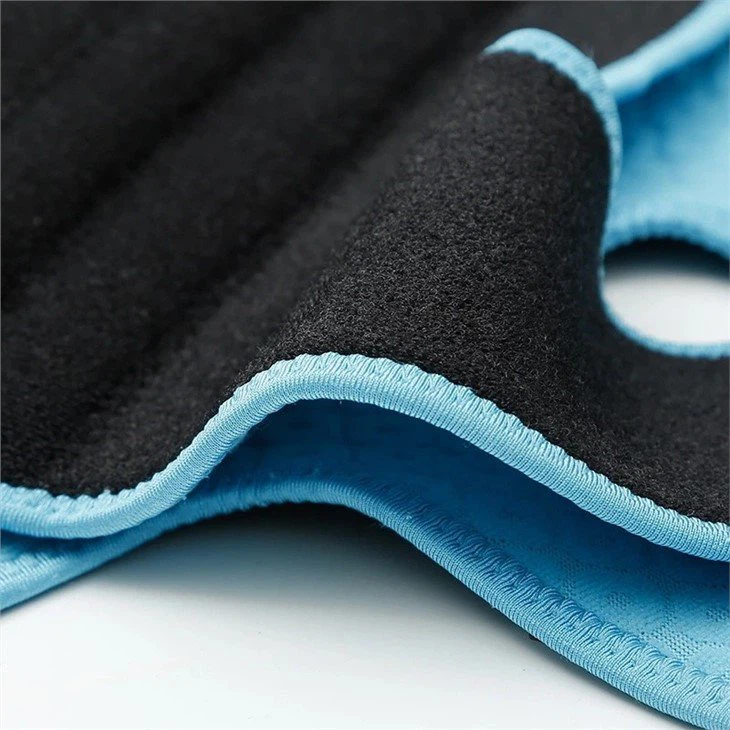
The Role of Knee Pads in Construction Work
Construction work often involves a significant amount of kneeling, crawling, and working on hard surfaces. These activities can put a great deal of stress on the knees, leading to pain, discomfort, and long - term injuries such as knee bursitis, arthritis, and cartilage damage. Knee pads are essential protective gear that can help reduce the impact on the knees and prevent these injuries.
Advantages of Foam Knee Pads for Construction Work
- Comfort: Foam knee pads are known for their comfort. The soft foam material conforms to the shape of the knee, providing a cushioned surface that reduces pressure points. This is especially important for construction workers who spend long hours on their knees. The foam absorbs the shock of kneeling on hard surfaces, making it more comfortable to work for extended periods.
- Lightweight: Foam knee pads are generally lightweight, which means they won't add unnecessary bulk or weight to your legs. This is crucial in construction work, where mobility is essential. Workers need to be able to move freely and quickly around the job site, and heavy knee pads can impede their movement.
- Affordability: Compared to some other types of knee pads, foam knee pads are relatively inexpensive. This makes them an attractive option for construction companies and workers on a budget. You can get a good - quality pair of foam knee pads without breaking the bank.
- Versatility: Foam knee pads can be used in a variety of construction tasks. Whether you're laying tiles, working on concrete floors, or doing carpentry work, foam knee pads can provide the necessary protection. They are suitable for both indoor and outdoor construction projects.
Disadvantages of Foam Knee Pads for Construction Work
- Durability: One of the main drawbacks of foam knee pads is their durability. The foam material can wear out over time, especially with heavy use. In a construction environment, where the knee pads are constantly exposed to rough surfaces, sharp objects, and heavy impacts, the foam may start to compress or tear. This can reduce the effectiveness of the knee pads and require more frequent replacement.
- Lack of Support: Foam knee pads may not provide as much support as some other types of knee pads. For workers who need additional stability or have pre - existing knee problems, foam knee pads may not be sufficient. In such cases, knee pads with more rigid support structures, such as [Pressure Knee Pad](/knee - support/knee - pad/pressure - knee - pad.html) or [Knee Support with Strays](/knee - support/knee - pad/knee - support - with - strays.html), may be more appropriate.
- Heat and Moisture: Foam knee pads can trap heat and moisture, which can lead to discomfort and skin irritation. In a hot and sweaty construction environment, this can be a significant issue. Some foam knee pads may have poor ventilation, making it difficult for the skin to breathe.
Choosing the Right Foam Knee Pads for Construction Work
When choosing foam knee pads for construction work, there are several factors to consider:

- Thickness of the Foam: A thicker foam will generally provide more cushioning and shock absorption. However, it may also be bulkier and less flexible. Look for knee pads with a foam thickness that strikes a balance between comfort and functionality.
- Strap System: A good strap system is essential for keeping the knee pads in place. The straps should be adjustable and secure, so they don't slip off during work. Elastic straps with Velcro closures are a popular choice as they allow for a customized fit.
- Cover Material: The cover material of the knee pads should be durable and resistant to wear and tear. Some cover materials are also designed to be breathable, which can help reduce heat and moisture buildup. For example, a [Woven Knee Pad](/knee - support/knee - pad/woven - knee - pad.html) may have a more breathable cover compared to a basic foam knee pad.
- Size: Make sure to choose knee pads that fit properly. Ill - fitting knee pads can be uncomfortable and may not provide adequate protection. Measure your knees and refer to the size chart provided by the manufacturer.
Other Considerations
In addition to the type of knee pads, it's also important to consider proper usage and maintenance. Workers should be trained on how to wear knee pads correctly to ensure maximum protection. Knee pads should be inspected regularly for signs of wear and tear, and replaced when necessary.
Conclusion
Foam knee pads can be a viable option for construction work, especially for tasks that require a high degree of comfort and mobility. They offer many advantages such as comfort, lightweight, affordability, and versatility. However, they also have some limitations in terms of durability, support, and heat management. By carefully considering your specific needs and choosing the right foam knee pads, you can ensure that your knees are protected during construction work.
If you're in the market for high - quality foam knee pads for your construction projects, we are here to help. Our range of foam knee pads is designed to meet the diverse needs of construction workers. We offer products that balance comfort, durability, and affordability. Whether you need knee pads for a small DIY project or a large - scale construction site, we have the right solution for you.
Contact us today to discuss your requirements and start a procurement negotiation. We look forward to serving you and helping you keep your workers safe and comfortable on the job.
References
- Occupational Safety and Health Administration (OSHA). "Personal Protective Equipment." Accessed [Date].
- American Academy of Orthopaedic Surgeons. "Knee Injuries in the Workplace." Accessed [Date].