

Can wrist support be used for arthritis in the wrist?
Nov 22, 2026
If you’ve ever woken up with a throbbing wrist that makes even gripping your coffee mug feel like a chore, you’re not alone. I run a wrist support supply business, and honestly, this is one of the most common questions I get from customers—whether they’re a middle-aged teacher dealing with degenerative wrist arthritis, a weekend warrior who overdid it at the gym, or someone who’s been putting up with pain for years. So, let’s cut through the myths and get to the real answer: yes, wrist support can absolutely help with wrist arthritis—but it’s not a one-size-fits-all fix, and there’s a right way (and a wrong way) to use it.
First, let’s do a quick reality check on what wrist arthritis actually is. Most of the time, when people say “wrist arthritis,” they’re talking about osteoarthritis—the wear-and-tear kind that happens when the cartilage cushioning the bones in your wrist slowly breaks down. If that cartilage is gone, the bones grind against each other, causing pain, swelling, stiffness, and that “clicking” feeling when you move your wrist. There’s also rheumatoid arthritis, an autoimmune condition that causes inflammation in the joint lining, but the general rules for support still apply.

Now, I know what a lot of you are thinking: “A brace is just going to make my wrist weaker, right?” That’s a fair concern, and I get why people might shy away from it. But here’s the thing—when you have arthritis, the problem isn’t just the damaged cartilage; it’s that you’re probably overusing the joint to avoid pain, which makes the inflammation worse over time. Wrist support doesn’t hold your hand (literally) or turn your wrist into a stiff, useless stick. It actually takes pressure off the arthritic bones, stabilizes the joint so you don’t make awkward, painful movements, and reduces swelling by keeping the area warm and compressed. Think of it like a guard rail for a wobbly bridge—it doesn’t fix the bridge, but it keeps you from driving over a spot that’s going to cause more damage.
I see a lot of customers grab any random wrist brace from the shelf, but that’s where mistakes happen. For arthritis, you need something that balances support with flexibility—too tight and you’ll cut off circulation or make stiffness worse; too loose and it won’t do anything at all. Let’s break down the different types of support we offer, because not all are created equal for arthritis.
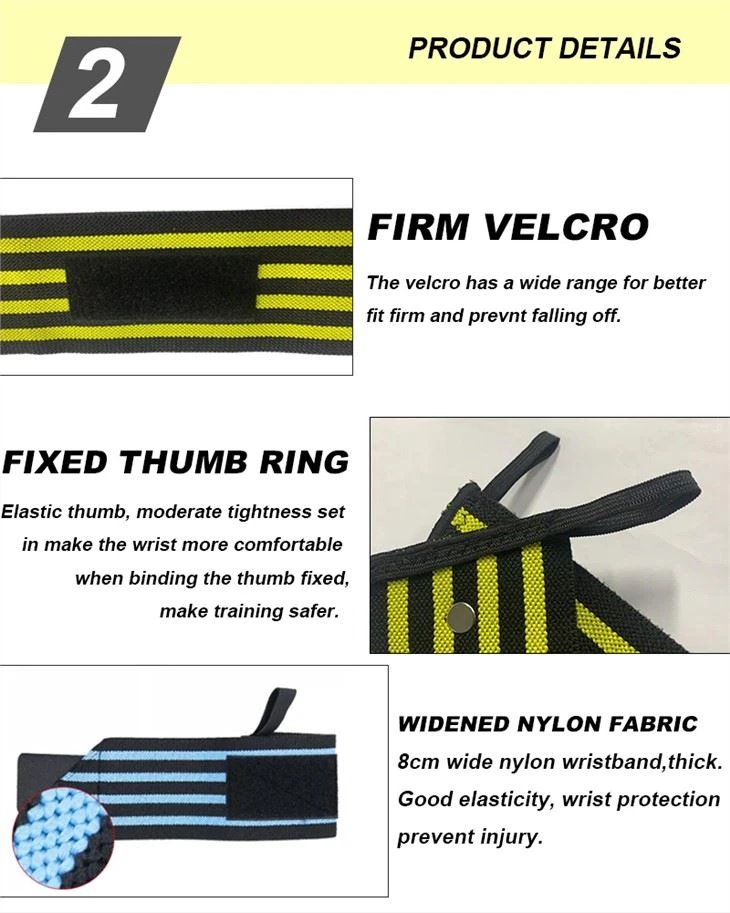
First up, if your arthritis is also affecting your thumb (which is super common—since your thumb is connected to the wrist’s main joint), a Thumb Wrist Band is a game-changer. This type of support wraps around both your wrist and the base of your thumb, which takes strain off the joint where a lot of arthritis pain starts. I had a customer last year, Linda, a 58-year-old nurse, who came to me complaining that she couldn’t hold a pen or lift a stethoscope without her wrist throbbing. She tried a regular wrist brace, but it didn’t touch the thumb pain. We pointed her to this band, and she messaged me a month later saying she could finally get through her shifts without taking extra painkillers. The key here is it limits the small, repetitive movements (like twisting your wrist to do a chart or adjusting a patient’s gown) that make arthritis worse, without making it impossible to do daily tasks.
Then there’s the soft side—if you want something that’s not as bulky, good for light activity or even sleeping, check out Bamboo Fiber Wrist Sleeve. Bamboo is naturally breathable and moisture-wicking, so it won’t make you sweat through your sleeve like a neoprene brace can (trust me, nothing kills a good night’s sleep like a hot, itchy wrist). For people with mild to moderate arthritis that flares up at night, this is perfect. It keeps the wrist warm (heat helps reduce stiffness) and provides gentle, consistent compression without restricting movement. A lot of our customers who have rheumatoid arthritis swear by these for nighttime—they don’t wake up with that “frozen wrist” feeling anymore.
Wait, but what if you’re someone who’s active—maybe you garden, lift light weights, or play a sport where your wrists take a beating? For folks with arthritis, being sedentary makes stiffness worse, so you still need to move, but you need protection. That’s where Wrist Support for Exercise comes in. These are sturdier than the bamboo sleeves, designed to stabilize your wrist during repetitive motions like lifting or pulling. I make sure to tell customers who work out that this isn’t about lifting more weight—it’s about doing the same movements without pain. A lot of people with arthritis think they have to give up their hobbies, but a good exercise wrist support lets you keep doing the things you love, as long as you’re smart about it.
Now, let’s talk about what to avoid. Stuff like Boxing Wrist Guards—those are way too rigid, made for absorbing impact, not for relieving arthritis pain. If you wear a boxing guard for daily tasks, it’ll limit your movement way more than necessary and could actually weaken your wrist muscles over time because they’re not getting to move freely. Same goes for super tight, industrial-style wrist wraps—they’re designed for heavy lifting, not for long-term use with arthritis.
And don’t forget, wrist support works best when paired with other small habits. I always tell customers to ice their wrist for 15-20 minutes if it’s swollen, do gentle stretches (like moving your wrist in small circles, not big, painful ones), and avoid overusing the joint. A brace isn’t a cure—it’s a tool to manage pain so you can stay active.
I get it, dealing with wrist arthritis can be frustrating. One day you’re fine, the next you can’t open a jar or type without crying a little. That’s why my team and I are here—we don’t just sell wrist supports; we help people find the right one for their specific pain, whether it’s from arthritis, a workout gone wrong, or a work injury. If you’re tired of letting wrist pain run your life, feel free to reach out to us to chat about what would work best for you. We can walk you through the different options, answer any questions, and help you get back to doing the things you care about without the throbbing.
At the end of the day, wrist support isn’t a magic pill, but it’s a proven way to reduce pain, stabilize the joint, and keep you moving. You don’t have to suffer in silence—there are tools out there to help, and finding the right one makes all the difference.
References:
- American College of Rheumatology. (2022). Osteoarthritis of the Wrist: Clinical Practice Guidelines.
- Arthritis Foundation. (2023). Managing Wrist Pain: The Role of Orthotic Support in Osteoarthritis.
- Journal of Hand Therapy. (2021). Effects of Wrist Orthoses on Pain and Function in Patients with Rheumatoid Arthritis.
- Sports Medicine Open. (2020). The Use of Wrist Support in Recreational Athletes with Overuse Injuries.