

Do hinged knee braces restrict movement?
Jun 05, 2025
Hey there! As a supplier of hinged knee braces, I often get asked this question: "Do hinged knee braces restrict movement?" It's a valid concern, especially for those who lead active lives or are recovering from knee injuries. So, let's dive right in and explore this topic in detail.
First off, let's understand what hinged knee braces are. These braces are designed to provide support and stability to the knee joint. They typically have hinges on either side of the knee, which are meant to mimic the natural movement of the knee. The main idea behind these hinges is to allow for a more natural range of motion while still offering the necessary support.
Now, to answer the question - it depends. In some cases, hinged knee braces can feel restrictive, but that's not always a bad thing. For instance, if you've had a recent knee injury, like a ligament tear or a sprain, your doctor might recommend a brace to limit your movement. This is because excessive movement can slow down the healing process or even cause further damage. In such situations, the "restriction" is actually a good thing as it helps your knee recover properly.
Let's take a look at different activities and how hinged knee braces might affect movement during them.
Running
When you're running, your knees go through a lot of stress. A hinged knee brace can provide extra support to prevent injuries or aid in recovery if you're coming back from one. Some people worry that a brace will slow them down or make their running gait feel awkward. However, modern hinged knee braces are designed to be lightweight and flexible. They allow for a wide range of motion at the knee joint, so you can still run at a decent pace.

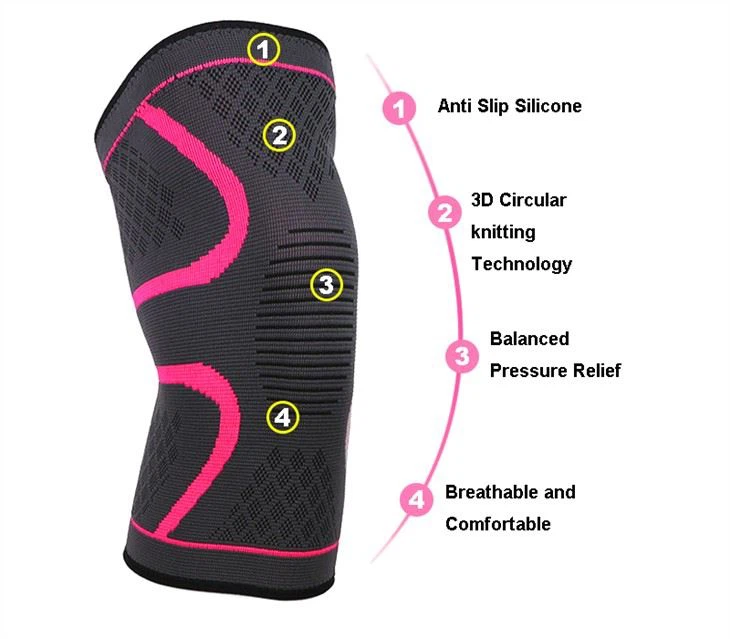
In fact, Compression for Knee Pain can be a great option for runners. These braces not only offer support but also use compression technology to reduce swelling and improve blood circulation in the knee area. This can help you run more comfortably and for longer periods.
Walking
Walking is a low-impact activity, but it's still important to have proper knee support, especially if you have knee problems. A Knee Brace for Walking can make a big difference. The hinges on these braces allow for smooth, natural movement as you take each step. They help distribute the weight evenly across the knee joint, reducing the pressure on the affected area.
You won't feel like you're walking with a huge, bulky object on your knee. Instead, the brace will feel like a part of you, providing that extra bit of stability you need to go about your daily activities without pain or discomfort.
Biking
Biking is another popular activity where hinged knee braces can be beneficial. When you're pedaling, your knees are constantly in motion. A Knee Brace for Biking can help keep your knees in the correct alignment and prevent injuries. The hinges are designed to move with your knee as you pedal, so you won't experience any major restrictions.
In fact, many cyclists find that wearing a knee brace actually improves their performance. It gives them the confidence to push themselves harder knowing that their knees are well-supported.
But it's not just about the activity itself. The fit of the hinged knee brace also plays a crucial role in how it affects your movement. If the brace is too tight, it will definitely feel restrictive. You might have trouble bending or straightening your knee, and it could even cause discomfort or pain. On the other hand, if the brace is too loose, it won't provide the necessary support and might even move around, which can be annoying.
That's why it's important to choose the right size and fit when buying a hinged knee brace. Most of our braces come with adjustable straps, so you can customize the fit to your needs. We also offer a range of sizes to ensure that everyone can find a brace that fits them perfectly.
Another factor to consider is the type of hinge used in the brace. There are different types of hinges available, each with its own features and benefits. Some hinges are more flexible, allowing for a greater range of motion, while others are more rigid, providing more support. The type of hinge you choose will depend on your specific needs and the activity you'll be doing.
For example, if you're an athlete who needs maximum flexibility during sports, you might opt for a brace with a more flexible hinge. On the other hand, if you have a severe knee injury and need a lot of support, a brace with a more rigid hinge might be a better choice.
In conclusion, hinged knee braces don't necessarily restrict movement. In fact, they can enhance your mobility and performance in many cases. They provide the support your knees need to stay healthy and strong, whether you're an athlete or just someone who wants to take care of their knees.
If you're interested in learning more about our hinged knee braces or are thinking about making a purchase, we'd love to hear from you. Contact us to start a discussion about your specific needs, and we'll help you find the perfect brace for you.
References
- American Academy of Orthopaedic Surgeons. (2023). Knee Braces: What You Need to Know.
- Mayo Clinic. (2023). Knee Brace: When You Need One and How to Choose.