

How does a knee brace support the meniscus?
Aug 06, 2025
Hey there! As a knee brace supplier, I've been getting a ton of questions about how knee braces support the meniscus. So, I thought I'd break it down for you in this blog post.
First off, let's talk about what the meniscus is. The meniscus is a C - shaped piece of cartilage in your knee. It acts like a shock absorber, cushioning the joint between your thigh bone (femur) and your shin bone (tibia). When you walk, run, or do any kind of physical activity, the meniscus helps distribute the weight evenly across your knee, reducing the stress on your bones.
But sometimes, the meniscus can get injured. This can happen due to sudden twists or turns, like when you're playing sports, or it can be a result of wear and tear over time. When the meniscus is damaged, it can cause pain, swelling, and limited mobility in your knee. That's where knee braces come in.
How Knee Braces Provide Support
Compression
One of the main ways a knee brace supports the meniscus is through compression. When you put on a knee brace, it applies gentle pressure around your knee. This compression helps to reduce swelling by limiting the amount of fluid that can accumulate in the area. Less swelling means less pressure on the injured meniscus, which in turn can relieve pain.
For example, our Spring - supported Knee Brace is designed to provide targeted compression. The springs in the brace not only add an extra layer of support but also help to distribute the compression evenly around the knee. This type of compression can also improve blood circulation in the area. Better blood flow brings more oxygen and nutrients to the injured tissue, which aids in the healing process.
Stability
Another crucial function of a knee brace is to provide stability. A damaged meniscus can make your knee feel wobbly or unstable, increasing the risk of further injury. A good knee brace helps to keep your knee in the correct alignment. It restricts excessive movement that could put additional stress on the meniscus.
Our Knee Brace with Side Stabilizer is a great option for those who need extra stability. The side stabilizers in this brace act like little guides, preventing your knee from moving too far to the side. This is especially important during activities where you might make sudden lateral movements, like basketball or tennis. By keeping your knee stable, the brace reduces the chances of the meniscus getting further damaged.
Reducing Load
Knee braces can also help to reduce the load on the meniscus. When you're walking or standing, your body weight puts pressure on your knees. A knee brace can take some of that pressure off the meniscus by redistributing the load to other parts of the knee.
Let's say you're using a Short Knee Brace. This type of brace is often worn by runners or people who are on their feet a lot. It provides support to the lower part of the knee, helping to spread the weight more evenly across the joint. As a result, the meniscus doesn't have to bear as much of the load, which can be beneficial for its recovery.

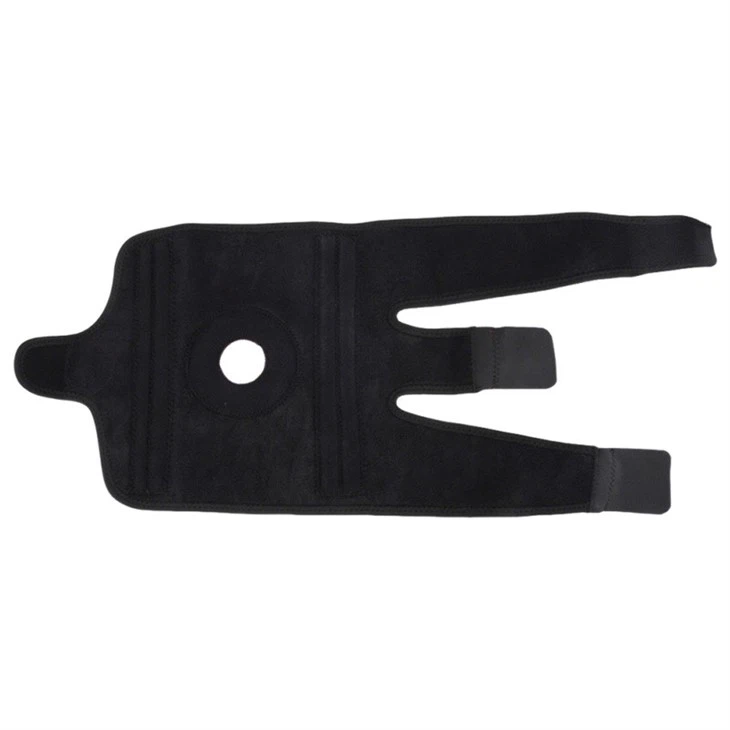
Different Types of Knee Braces for Meniscus Support
Prophylactic Braces
Prophylactic braces are mainly used to prevent injuries. They're often worn by athletes who are at a high risk of meniscus damage, like football players. These braces are designed to provide general support and stability to the knee, reducing the likelihood of a meniscus tear in the first place.
Functional Braces
Functional braces are for people who have already suffered a meniscus injury. They're designed to support the knee during the healing process and help the person return to normal activities. These braces are usually more customized to fit the individual's knee and provide targeted support to the injured area.
Rehabilitation Braces
Rehabilitation braces are used after surgery or a severe meniscus injury. They're more restrictive than other types of braces and are meant to protect the knee while it heals. These braces often have adjustable settings, allowing the doctor to gradually increase the range of motion as the meniscus heals.
Choosing the Right Knee Brace
When it comes to choosing a knee brace for meniscus support, there are a few things to consider. First, you need to think about the severity of your injury. If it's a minor tear, a simple compression brace might be enough. But if you have a more serious injury, you might need a brace with more advanced features, like side stabilizers or adjustable settings.
You also need to consider your lifestyle and the activities you'll be doing while wearing the brace. If you're an athlete, you'll need a brace that can withstand the rigors of your sport. On the other hand, if you're just looking for support during everyday activities, a more lightweight and comfortable brace might be the way to go.
Why Choose Our Knee Braces
At our company, we've been in the knee brace business for a long time. We understand the importance of providing high - quality products that actually work. Our knee braces are made from top - notch materials that are both durable and comfortable. We use the latest technology to design braces that provide the right amount of support and compression for the meniscus.
We also offer a wide range of styles and sizes to ensure that everyone can find the perfect fit. Whether you need a Spring - supported Knee Brace for targeted compression, a Short Knee Brace for everyday activities, or a Knee Brace with Side Stabilizer for extra stability, we've got you covered.
Contact Us for Procurement
If you're interested in purchasing our knee braces, whether you're a retailer looking to stock our products or an individual in need of a high - quality knee brace, we'd love to hear from you. We offer competitive prices and excellent customer service. Don't hesitate to reach out to us to start a procurement discussion. We're here to help you find the best knee brace solution for your needs.
References
- American Academy of Orthopaedic Surgeons. "Meniscus Tear."
- Mayo Clinic. "Knee Brace: Do You Need One?"
- Journal of Knee Surgery. "The Role of Knee Braces in Meniscus Injury Management."