

Are foam knee pads good for badminton?
May 13, 2026
Are foam knee pads good for badminton?
Badminton is a dynamic and fast - paced sport that demands quick lateral movements, sudden stops, and jumps from players. These actions put significant stress on the knees, making them vulnerable to injuries. As a foam knee pad supplier, I've often been asked about the effectiveness of foam knee pads in badminton. In this blog, we'll explore the science behind foam knee pads and their suitability for badminton players.
The Mechanics of Knee Stress in Badminton
Before delving into the benefits of foam knee pads, it's essential to understand the types of stress the knees encounter during a badminton game. Badminton involves a lot of lateral movement, which means the knees are constantly twisting and turning. For instance, when a player moves to the side to return a cross - court shot, the knee joint experiences a shearing force. Additionally, the explosive jumps and quick stops require the knees to absorb a large amount of impact energy.
According to a study published in the Journal of Sports Sciences, the forces acting on the knees during badminton can be up to 3 - 5 times the body weight. This high - impact nature of the sport makes the knees prone to injuries such as ligament sprains, meniscus tears, and patellofemoral pain syndrome.
How Foam Knee Pads Work
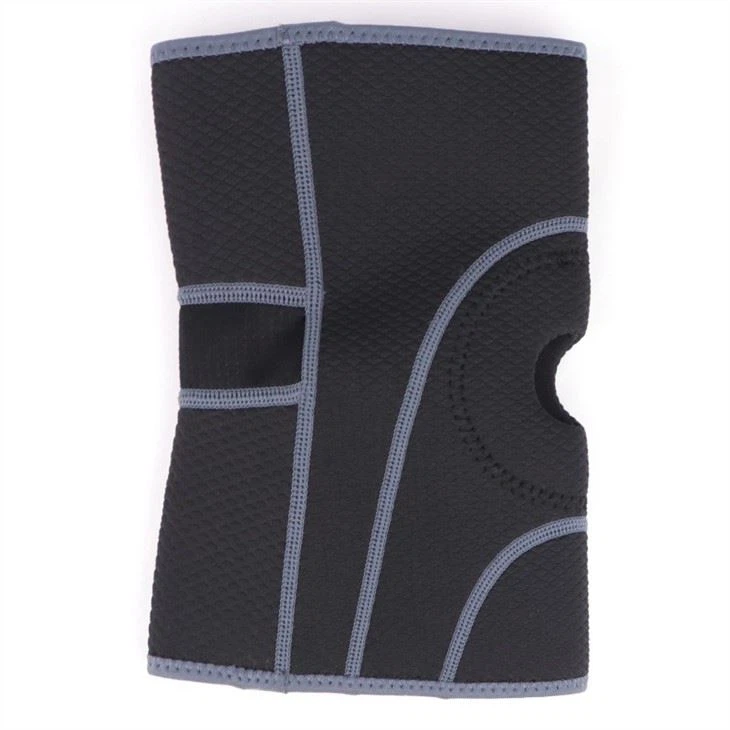
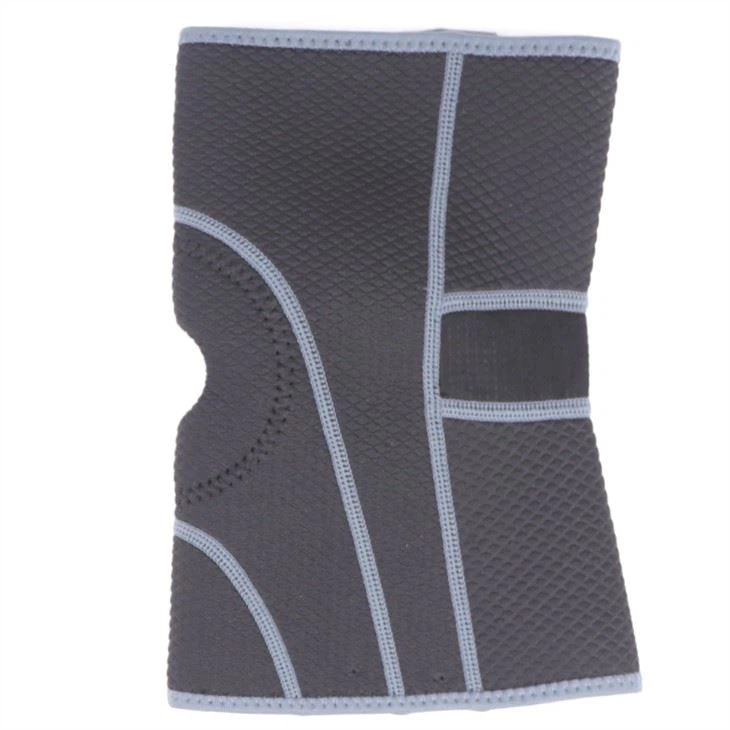
Foam knee pads are designed to provide cushioning and support to the knees. The foam material used in these knee pads has unique properties that allow it to absorb and disperse impact energy. When a player lands after a jump or makes a sudden stop, the foam compresses, reducing the force transmitted to the knee joint.
There are different types of foam used in knee pads, such as open - cell foam and closed - cell foam. Open - cell foam is more breathable as it has interconnected air pockets, which allows for better air circulation around the knee. This helps prevent excessive sweating and discomfort during long - duration games. Closed - cell foam, on the other hand, is more water - resistant and provides a more consistent level of cushioning.
Benefits of Foam Knee Pads in Badminton
- Shock Absorption: As mentioned earlier, the high - impact nature of badminton can cause significant stress on the knees. Foam knee pads act as a shock absorber, reducing the impact force on the knee joint. This can help prevent acute injuries like ligament sprains and long - term problems such as arthritis.
- Support: Foam knee pads provide a certain level of support to the knee joint. They help stabilize the knee during lateral movements, reducing the risk of the knee giving way. This is especially important for players who have previously suffered from knee injuries or have weak knees.
- Comfort: The soft and flexible nature of foam makes knee pads comfortable to wear. They can be adjusted to fit the contours of the knee, providing a snug fit without restricting movement. This allows players to focus on their game without being distracted by discomfort.
- Protection: In addition to shock absorption, foam knee pads can also protect the knees from abrasions and bruises. During a game, players may accidentally fall or collide with other players, and the knee pads can act as a barrier between the knee and the hard court surface.
Comparing Foam Knee Pads with Other Types of Knee Supports
- Knee Support with Strays: Knee Support with Strays typically offer more targeted support to specific ligaments in the knee, such as the anterior cruciate ligament (ACL). While they are excellent for providing extra stability, they may not offer the same level of shock absorption as foam knee pads.
- Leg Support Brace: Leg Support Brace are designed to support the entire leg, including the knee. They are often used for rehabilitative purposes or for players with severe knee injuries. Foam knee pads, on the other hand, are more suitable for general protection and shock absorption during regular badminton play.
- Open Knee Support: Open Knee Support usually have an open - patella design, which allows the patella to move freely. They provide support to the surrounding tissues of the knee. Foam knee pads, however, offer more comprehensive cushioning around the entire knee.
Considerations When Choosing Foam Knee Pads
- Size and Fit: It's crucial to choose knee pads that fit properly. Ill - fitting knee pads may not provide adequate protection and can be uncomfortable to wear. Most manufacturers provide size charts based on the circumference of the knee.
- Foam Density: The density of the foam can affect the level of cushioning and support. Higher - density foam provides more support but may be less flexible, while lower - density foam is more flexible but may offer less shock absorption.
- Breathability: Since badminton is a physically demanding sport, breathability is an important factor. Look for knee pads with breathable foam or ventilation holes to prevent sweating and keep the knees cool.
- Durability: The durability of the knee pads is also important, especially if you play badminton frequently. Check the quality of the foam and the stitching to ensure that the knee pads will last.
Conclusion
In conclusion, foam knee pads can be a great addition to a badminton player's equipment. They offer shock absorption, support, comfort, and protection, all of which are essential for reducing the risk of knee injuries and enhancing performance on the court. However, the choice between foam knee pads and other types of knee supports depends on individual needs and preferences.
If you're interested in learning more about our high - quality foam knee pads or have any questions regarding knee protection for badminton, we'd love to hear from you. Contact us to start a discussion about your specific requirements and explore how our products can meet your needs. Whether you're a professional badminton player or a recreational enthusiast, our foam knee pads are designed to provide the best possible protection and support.
References
- Journal of Sports Sciences - Study on knee forces in badminton.
- Sports Injury Research Institute - Reports on knee injury prevention in dynamic sports.