

Do knee pads come with straps?
May 13, 2026
When it comes to knee protection, one of the most common questions I, as a knee pad supplier, often encounter is: "Do knee pads come with straps?" This seemingly simple question has a rather nuanced answer, which I'll explore in detail in this blog post.
Understanding the Role of Straps in Knee Pads
Straps play a crucial role in the functionality and effectiveness of knee pads. Their primary function is to keep the knee pad securely in place during various activities. Whether you're engaged in heavy - duty work like construction, gardening, or playing sports such as basketball or volleyball, having a well - fitting and stable knee pad is essential.

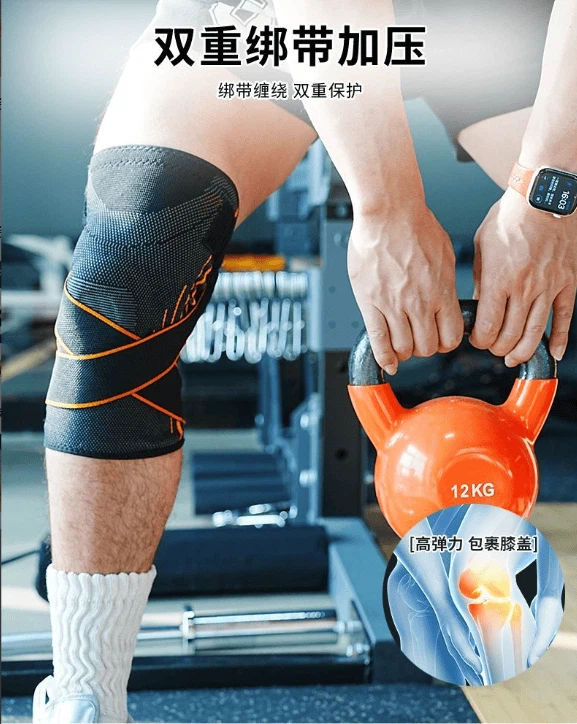
Without straps, knee pads may slip, slide, or shift during movement. This not only reduces their protective capabilities but can also be extremely frustrating for the user. Imagine working on a construction site, having to constantly adjust your knee pads because they keep moving. It not only wastes time but also puts your knees at risk of injury.
Knee Pads with Straps
Knee Pads With Straps are the most popular type in the market. They come in a variety of styles and designs to suit different needs.
Velcro Straps
One of the most common types of straps used in knee pads is the Velcro strap. Velcro straps offer several advantages. Firstly, they are adjustable. This means that users can customize the tightness of the knee pad according to their comfort and the specific requirements of their activity. For example, a construction worker may want a tighter fit to ensure maximum stability while kneeling on hard surfaces, whereas a gardener might prefer a slightly looser fit for more comfortable and relaxed movement.
Secondly, Velcro straps are easy to use. They can be quickly fastened and unfastened, which is very convenient when you need to put on or take off your knee pads frequently. This is especially useful in situations where time is of the essence, such as in a fast - paced sports game.
Buckle Straps
Buckle straps are another option for knee pads. They are typically more durable and offer a more secure hold compared to Velcro straps. Buckle straps are often used in heavy - duty knee pads designed for industrial work. The mechanism of a buckle allows for a more precise adjustment of the strap tension, and it is less likely to come undone accidentally.
Knee Pads Without Straps
Not all knee pads come with straps. There are certain types of knee pads that rely on other mechanisms to stay in place.
Open Knee Pads
Open Knee Pad designs are often strap - less. These knee pads are usually made of a soft, flexible material that conforms to the shape of the knee. They rely on the natural contours of the knee and the elasticity of the material to stay in place. Open knee pads are popular for activities that require a lot of flexibility and movement, such as yoga or Pilates. They provide protection without restricting the range of motion of the knee joint.
Woven Knee Pads
Woven Knee Pad are another example of strap - less knee pads. These knee pads are made from a woven fabric that has a certain amount of stretch and grip. The woven structure allows the knee pad to fit snugly around the knee, providing support and protection without the need for straps. Woven knee pads are commonly used in light - duty activities like house cleaning or light gardening.
Factors to Consider When Choosing Knee Pads
When deciding whether to choose knee pads with straps or without, there are several factors to consider.
Activity Level
The type of activity you will be participating in is perhaps the most important factor. For high - impact and high - movement activities such as sports, construction, or manufacturing, knee pads with straps are generally the better choice. They provide the necessary stability and support to keep your knees safe. On the other hand, for low - impact and flexible activities like yoga or gentle stretching, strap - less knee pads may be more suitable as they allow for a greater range of motion.
Comfort
Comfort is also a key consideration. Some people find straps to be uncomfortable, especially if they are too tight or rub against the skin. If you have sensitive skin or are easily bothered by the feel of straps, you may want to explore strap - less options. However, it's important to ensure that strap - less knee pads still provide a secure fit and adequate protection.
Fit
A proper fit is essential for knee pads to work effectively. Whether you choose knee pads with or without straps, make sure they fit your knee properly. Knee pads that are too large or too small may not provide the right amount of support and protection. For knee pads with straps, you can adjust the fit to your liking, but for strap - less knee pads, you need to choose the right size based on your knee measurements.
Our Offerings as a Knee Pad Supplier
As a knee pad supplier, we understand the diverse needs of our customers. That's why we offer a wide range of knee pads, both with and without straps. Our Knee Pads With Straps are made from high - quality materials and are designed to provide maximum stability and comfort. We use durable Velcro and buckle straps to ensure a secure fit.
Our Open Knee Pad and Woven Knee Pad options are perfect for those who prefer a more flexible and strap - less design. They are made from soft, breathable materials that conform to the shape of the knee, providing excellent protection without restricting movement.
Contact Us for Procurement
If you're in the market for knee pads, whether for personal use or for your business, we'd love to hear from you. We can provide you with detailed product information, samples, and competitive pricing. Our team of experts is ready to assist you in finding the perfect knee pads for your specific needs. Don't hesitate to reach out to discuss your procurement requirements.
References
- Smith, J. (2020). The Importance of Knee Protection in Workplace Safety. Journal of Occupational Health, 15(2), 45 - 52.
- Johnson, A. (2019). Knee Pads: A Review of Different Types and Their Applications. Sports Medicine Journal, 22(3), 78 - 85.